Frost Moon Sun Catcher

Frost Moon Sun Catcher

Craft Project, Frost Moon, Full Moon, Play, Winter
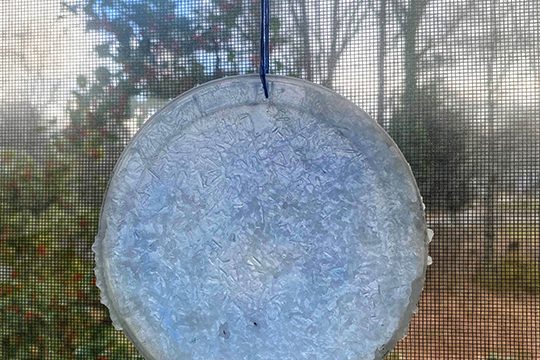
This sun catcher uses the exact same solution as my frost paint, but creates a thick layer in a clear lid instead of a thin layer on a piece of paper. It's extremely simple to make, but will take several days to dry out completely. It is a super saturated salt solution which will grown into crystalline feathers as the water evaporates. Because it's trapped in a plastic lid instead of expose to the air on your paper it will take longer. It’s fairly unpredictable and it’s best to embrace that and enjoy the process. The way the crystal grow is similar to the way frost forms! Materials: 1/2 cup epsom salt 1/2 cup water jar with a lid a clear plastic lid watercolor (optional) Method: Put the epsom salt…
Read More
Scented Crystal Snowflakes

Scented Crystal Snowflakes

Craft Project, Full Moon, Play, Snow Moon, STEAM, Winter
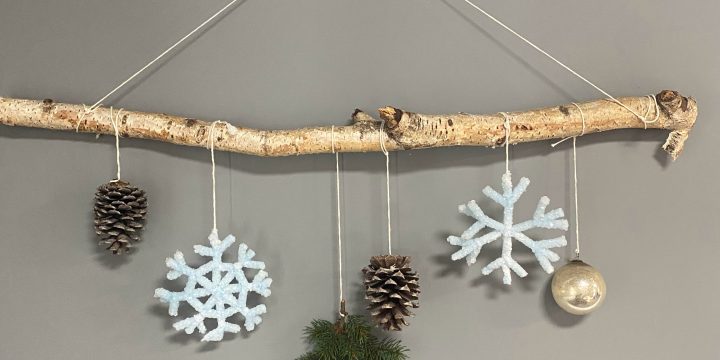
Another snowflake project to celebrate the snow moon! Can you really even have enough snowflakes? This would be a great project to do with a snow lesson, Snowflake Bentley, White Snow Bright Snow and the Story of Snow are all favorite books in our house. Snowflakes are a type of crystal that forms around a bit of dust or debris as it falls from the sky and famously each one is unique. Scented Crystal Snowflakes I’ve always loved making borax crystals– I supersaturate the borax solution so that larger crystals form. Most recipes use a lot less borax and that will work, but it will form much smaller crystals.I like to add essential oil to the solution so that it smells nice, but it's completely optional. Ingredients: White or blue…
Read More
Snow Cream

Snow Cream

Full Moon, Play, Recipes, Snow Moon, Winter
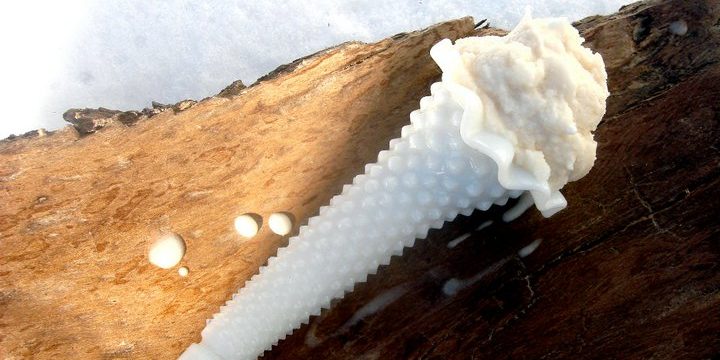
I didn’t realize until adulthood that snow cream is a peculiarity of the Mid-Atlantic states-- we aren’t quite in sugar on snow territory-- but we still get a fair amount of snow. The recipe is a loose guideline at best-- get some snow, add something creamy and sweet to it and eat it quickly before it melts. When I was a kid it was always chocolate syrup, as an adult I like the creaminess of the condensed milk and vanilla. I almost never make this quantity, instead we fill individual bowls up with snow and add the condensed milk to taste with extremely imprecise measurements. However if you want to use up a whole can of condensed milk, this is how you do it. Ingredients: 8 ish cups of clean…
Read More
Paper Snowflakes for the Snow Moon

Paper Snowflakes for the Snow Moon

Craft Project, Full Moon, Play, Snow Moon, Winter
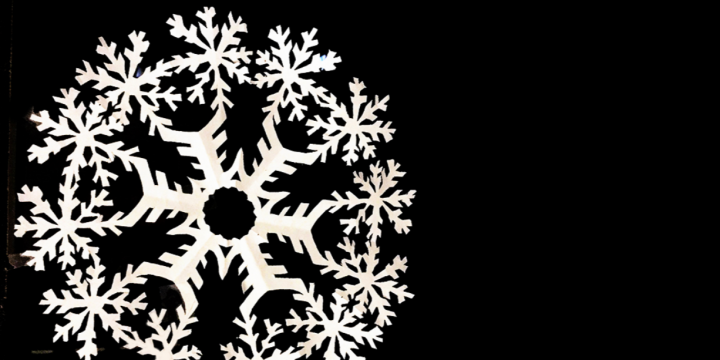
One of the simplest ways to celebrate this snowy full moon (aside from just going outside and playing in the snow!) is to make paper snowflakes. The trick in making lovely paper snowflakes is in the way you fold the paper-- even toddler made snowflakes look fancier when folded like this. You can also use coffee filters if you prefer for a similar result. Folding Paper Snowflakes If you are starting with a rectangular piece of paper, fold the left corner down diagonally so it makes a triangle and is flush with the opposite edge. Trim off the skinny rectangle that falls below your folded triangle. (If you start with a square, just fold your paper in half diagonally.) Next, fold your triangle in half diagonally again. Now the trickiest…
Read More
Wolf Road Donuts

Wolf Road Donuts

Folklore, Full Moon, Recipes, Wolf Moon
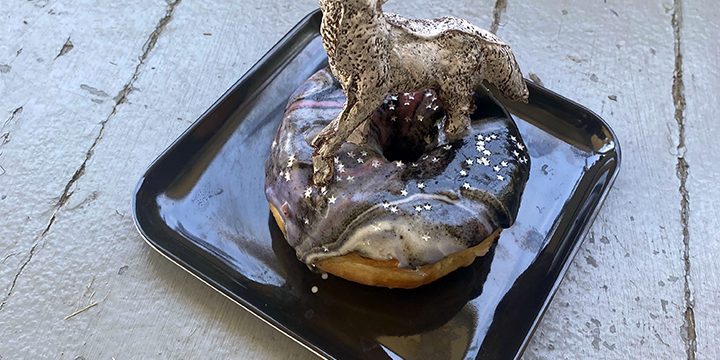
My favorite interpretation of the name Wolf Moon relates it to the Wolf Trail or Road—a traditional Blackfoot name for the Milky Way. In northern climates, the stars in the winter sky are much brighter and clearer than during the rest of the year because there is so much less humidity, meaning there is no haze to obstruct your view. While teh night of a full moon isn't always the best for star gazing (but do some January star gazing for sure!), it does provide a great opportunity to learn about the Wolf Road and make these amazing donuts for a Wolf Moon celebration. I use store bought donuts (that account for everyone's allergies) making this a deceptively easy project. Chocolate Wolves: food safe silicone wolf mold chocolate melting wafers (dark,…
Read More
Rosehip Syrup after a Frost

Rosehip Syrup after a Frost

Frost Moon, Full Moon, Recipes, Winter
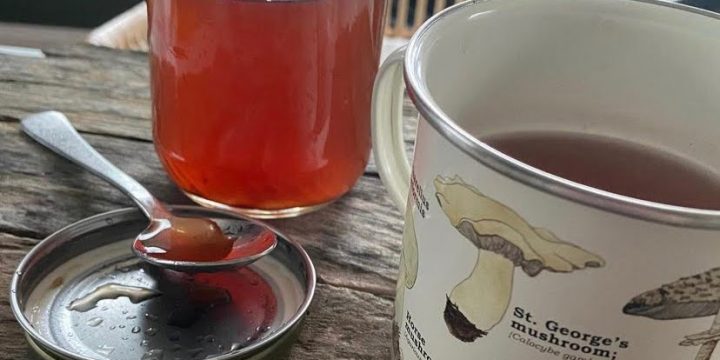
Rosehips are one of my favorite things to forage. The woods around me are overrun with invasive multiflora rose and while its hips are quite small, they still make a delicious rosehip syrup. In North America, Rosa multiflora was originally introduced from Asia as a soil conservation measure, a natural hedge to border grazing land, and as a hardy rootstock. It proved much too hardy and quickly escaped cultivation crowding out native species with dense hedges and popping up in wooded areas. Multiflora hips can be harvested without concern, as they are invasive and not a preferred wildlife food. They are also fun and easy for kids to forage- the hips are bright red and easy to spot! Like all roses, the multiflora produces hips that are edible. Rosehips are…
Read More
Galaxy Smoothie Bowl for the Wolf Moon

Galaxy Smoothie Bowl for the Wolf Moon

Full Moon, Recipes, Winter, Wolf Moon
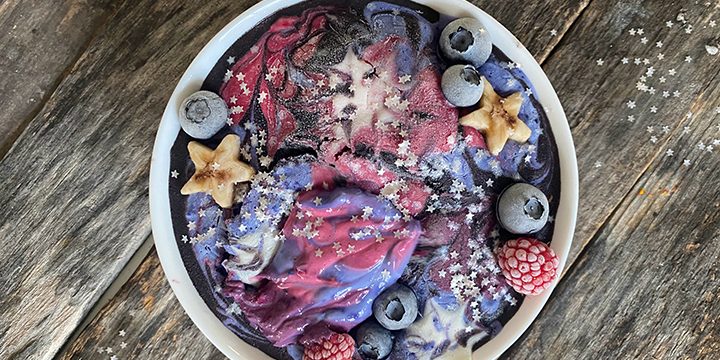
The January full moon is most commonly known as the Wolf Moon. Various North American tribes have different names for it, but names for this moon largely evoke coldness or lean times. The Algonquin people call it the "Sun has Not Strength to Thaw Moon, the Arapaho refer to the "When Snow Blows like Spirits in the Wind Moon, and the Lakota people use the most concise "Hard Moon." The only direct wolf reference I could find was from the Sioux people who call this moon the "Wolves Run Together Moon. Interestingly, the Farmer's Almanac doesn't cite any sources for the Wolf Moon name, it just refers to wolves howling this time of year. My favorite interpretation of the name relates it to the Wolf Trail or Road—a traditional Blackfoot name for…
Read More
Full Moon Names & Phenology

Full Moon Names & Phenology

Full Moon, Full Moon Names, Learning
If you were to look up names for the thirteen full moons in a year, you would almost certainly discover a fairly standardized list. The source of this list is almost always the Farmers’ Almanac, which popularized its “full moon names” in the 1930s. In turn, the most likely original source for the Almanac’s list is an earlier list entitled “Indian Month Names,” which was published in 1918 by Daniel Carter Beard in his The American Boys’ Book of Signs, Signals, and Symbols, for use by the Boy Scouts of America. Nearly every list of full moon names you find will have a vague description of the origin of the names as “American Indian,” with little or no explanation. (To their credit, the Farmers’ Almanac has recently updated their descriptions…
Read More
Pink Moon Petal Hunt

Pink Moon Petal Hunt

Craft Project, Full Moon, Nature Art, Nature Collection, Pink Moon, Play, Spring
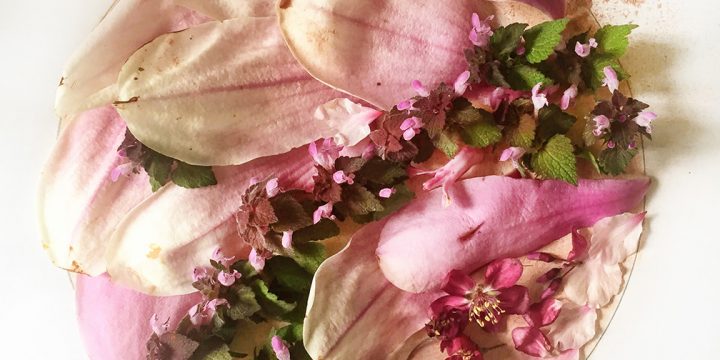
A great way to celebrate the Pink Moon is to go on a "pink" scavenger hunt and see how many bits of pink you can find creeping out after the winter. You may find some pink flowers, but pink is also in other unexpected places like leaves, sticks, and even insects! How many types of pink things can you find? Pink Moon Scavenger Hunt There are no checklists for this hunt, just look for things that are pink! They can be natural things like petals and leaves or anything else that's pink and catches your eye. You can take photos to keep track or physically collect some items. (Take care with natural items, plants are just starting over for the year so it's best to stick with things that have…
Read More
Green Corn Moon Microgreens

Green Corn Moon Microgreens

Craft Project, Full Moon, Garden, Green Corn Moon, Nature Art
“Green corn” is not corn that is the color green (although that’s a thing too), but simply sweet corn—that is, corn that is eaten fresh as opposed to mature corn that is dried and ground. It's the same reason we call green beans green-- it's not because they are the color green, but because they are eaten in an immature stage instead of being dried. You will still find older recipes that refer to green (fresh) corn, it's actually a fairly recent development. Green Corn Moon Microgreens It's much too late in the year to plant corn and grow ears of corn, but it's a great time to sprout ears of corn (the part you eat is a also a seed!) and grown microgreens. This is a fun experiment for…
Read More