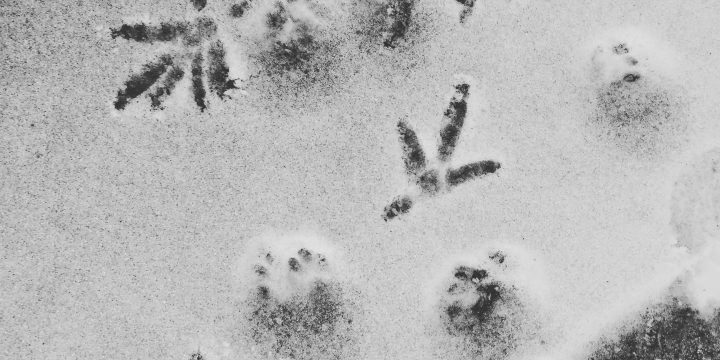
Whether you have snow or mud, winter is a great time to hunt for animal tracks. The lack of underbrush makes them much easier to spot. Younger friends will likley just be excited to find and identify some tracks, but older friends might enjoy tracking the paths the prints take and trying to reconstruct what the animal might have been doing and or where it is living. We spent literally hours following those raccoon tracks around the forest and mapped out what we hypothesized was a whole community of raccoons. They went to the water, they went to different trees that appeared to have dwellings in them, it was pretty fascinating. Another fun step would be to draw and illustration or write a story about what you found, in our…
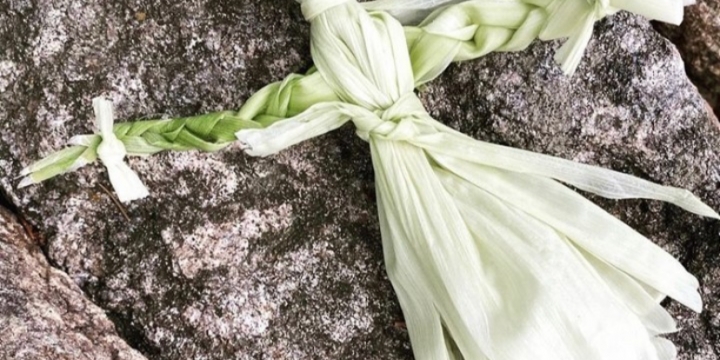
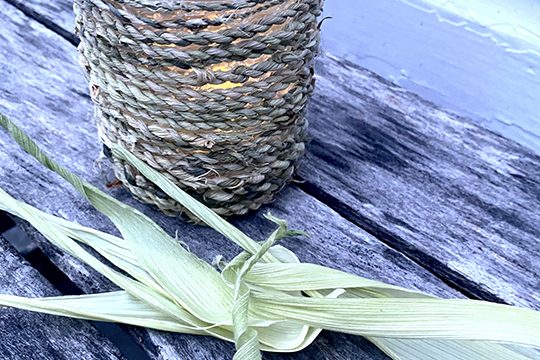
Some people make corn dollies for First harvest and some make them for Equinox and some make for neither just to celebrate fall. For whatever reason I associate them with Autumn Equinox and try to make a new one every year. She is supposed to be stored in the all year to ensure an abundant harvest. Then it goes in the fire on the next Equinox and her ashes are spread in the garden to come full circle. Oddly enough, the "corn" in corn dolly generally refers to wheat, corn was slang for grain in medieval Europe which is actually why we now call maize corn. When colonists came to the US they just called the local grain (maize) corn because that's what they were used. To confuse things further,…
I am generally opposed to worksheets- they squash creativity and are limiting. Consequently I am never impressed with the "fall scavenger hunt" printables that make the rounds this time of year. For one thing fall looks different depending on where you live. That said, this is great time to look for signs of the upcoming seasonal shift. It's a great practice as an adult to focus and hone in on subtle shifts in nature and I find that it is downright thrilling for kids. (As well as setting them up to be adults who notice the subtle shifts in nature...) So ditch the worksheets and just bring a nature journal or sketchbook and try listing and or drawing pictures of the things you see. If you do this year over…
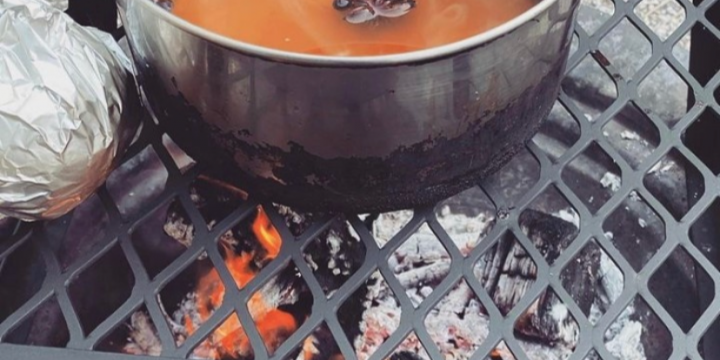
One of our favorite Autumn Equinox traditions is to make mulled apple cider over the bonfire! This couldn’t be easier and is so festive it takes on a little bit of a smokey flavor. Anything cooked over the fire is automatically extra yummy in my humble opinion. You will need a campfire grill grate of some sort but it doesn't need to be at all fancy and is useful for all manner of things. Ingredients: a pot that can be used over a campfire campfire grill grate a bonfire! a gallon of apple cider (or less depending on how many people you are serving) a pinch of cloves a few cinnimon sticks a whole star anise a pinch of allspice berries a half an orange with cloves poked into it…
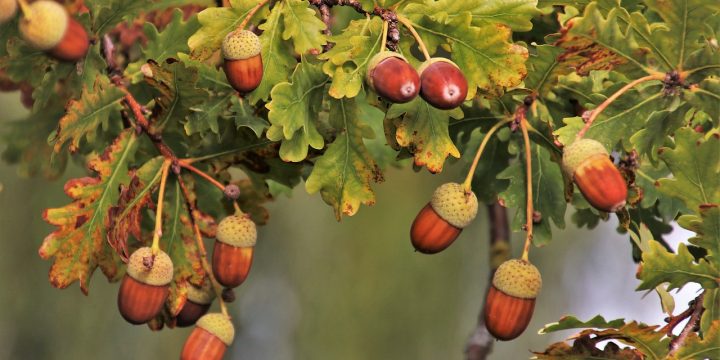
Acorns and oaks are steeped in folklore just about everywhere they grow. There is something old and wise about them. They were (and still are) a food source for Indigenous Americans and were eaten in in the past in Europe as well. They require some prep work, but I love their warm roasted flavor. A number of magical qualities and superstitions are attributed to the acorn. The symbolize good luck, abundance, protection and long life. My favorite bit of folklore is that the acorn symbolizes huge potential in small things and reminds us to be patient. There are 500 species of oak in the world and their acorns (which are their seeds!) all look a little different. I am personally partial to burr oaks for their lovely shaggy caps. Acorns…
The January full moon is most commonly known as the Wolf Moon. Various North American tribes have different names for it, but names for this moon largely evoke coldness or lean times. The Algonquin people call it the "Sun has Not Strength to Thaw Moon, the Arapaho refer to the "When Snow Blows like Spirits in the Wind Moon, and the Lakota people use the most concise "Hard Moon." The only direct wolf reference I could find was from the Sioux people who call this moon the "Wolves Run Together Moon. Interestingly, the Farmer's Almanac doesn't cite any sources for the Wolf Moon name, it just refers to wolves howling this time of year. My favorite interpretation of the name relates it to the Wolf Trail or Road—a traditional Blackfoot name for…
The "corn' that most Western Europeans refer to around First Harvest (also called Lammas or Lughnasadh) is actually just old fashioned slang for "grain" and most often refers wheat. As a North American on the other hand, corn as in maize, is having its moment this time of year. Some Southeastern American Indian tribes celebrate a Green Corn Festival in early August to celebrate the corn harvest. “Green corn” is of course not corn that is the color green (although there is green colored corn), but simply sweet corn—that is, corn that is eaten fresh as opposed to mature corn that is dried and ground up. It’s the same reason we call green beans green– it’s not because they are the color green, but because they are eaten in an…
August 1st is known as First Harvest, Lammas or Lughnasadh in various traditions. First Harvest is midway between the Summer Solstice (the official start of summer) and the Autumnal Equinox (the official start of fall) You can see then why it is a time that straddles between summer and fall. I think of it as peak summer- everything is ripening in the garden and there is almost more to harvest than there is time. There are berries and mushrooms to forage in the wood and a general sense of abundance. At the same time we are creeping closer to fall and I start to notice subtle little cues here and there. Historically, in Celtic tradition First Harvest marks the start of the harvest season. Ritual games took place and there…