What is the Worm Moon & a Coloring Page

What is the Worm Moon & a Coloring Page

Folklore, Full Moon, Learning, Play, Worm Moon
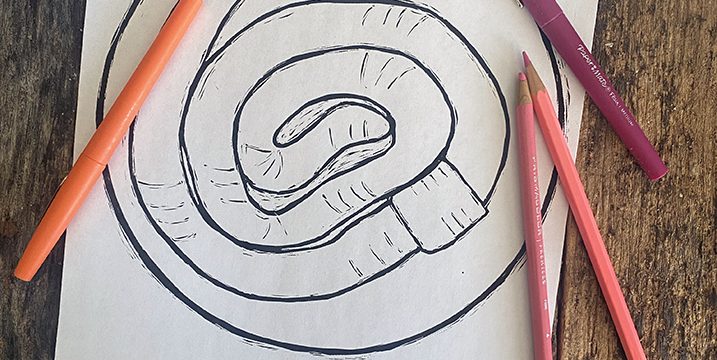
Jonathan Carver yet again is credited as the source of the name "Worm Moon", claiming it was a Dakota name. However, every Dakota resource I have found calls this full moon the Sore Eyes Moon, which refers to the glare of the sun off snow. (“Sore Eyes Moon” is how this moon’s name translates from the Lakota and Assiniboine dialects as well.) Allegedly, in the late 1700s, Jonathan Carver wrote that the worms actually refer to larvae that are emerging from winter hideouts around this time. Where I live in the Mid Atlantic, snow is receding in March, and spring is just starting to peek through. I often think of March as the muddy month. Worms make their first trip to the surface as the ground unfreezes and leave their little…
Read More
What is the Snow Moon & a Coloring Page

What is the Snow Moon & a Coloring Page

Craft Project, Folklore, Free Printable, Full Moon, Learning, Snow Moon, Winter
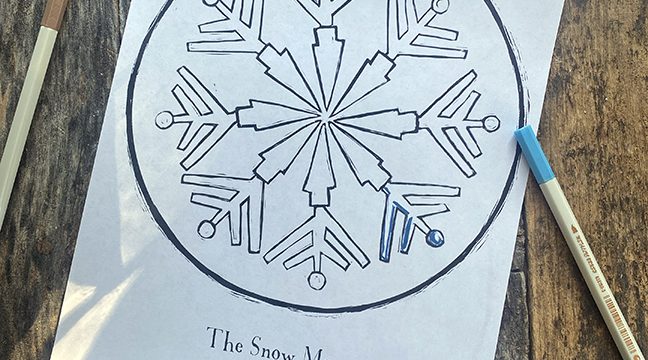
February is the snowiest month where I live, and according to the National Weather Service it’s the snowiest month nationwide. According to the Farmer’s Almanac’s list, this month’s full moon is called the Snow Moon based on the report of Captain Jonathan Carver, a colonial expedition leader who claimed the Lakota people called it that. The translation of the Lakota name that I have found is substantially more poetic: When Trees Crack Because of Cold Moon. Similarly, the Abenaki people observe the Makes Branches Fall in Pieces Moon. The Arapaho call this the Frost Sparkling in the Sun Moon, and the Comanche call it the Sleet Moon. I have continued to call it the snow moon because it's concise and easier to fit on graphics, but in my head I think…
Read More
“The Bug Bandits”

“The Bug Bandits”

Craft Project, Free Printable, Learning, Middle Grade Book Buds, Play, Recipes, STEAM
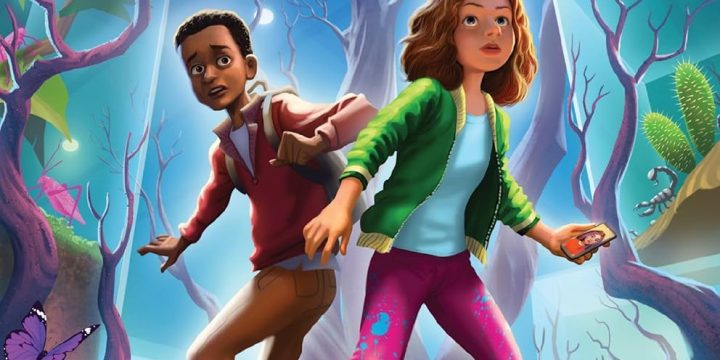
Next up in middle grade book buds, is a modern nature school classic-- The Bug Bandits. I have been reading a ton of middle grade books lately, but would love to hear your suggestions for more book buds! Middle grade books are substantially longer, so I have broken the middle grade book buds into a lesson, a craft or two, and a snack. All are driven by the themes and ideas in the respective book. These could be the jumping off point for a more in depth academic book study, or just a fun project to further immerse yourself in the worlds of your favorite books! The Bug Bandits Written by: by Jenni L Walsh The Bug Bandits is a great new book about two kids working together saving an insect museum. As…
Read More
“Living Bridges: The Hidden World of India’s Woven Trees”

“Living Bridges: The Hidden World of India’s Woven Trees”

Craft Project, Earth Day, get outside, Learning, Nature Art, Picture Book Buds, Play, Summer
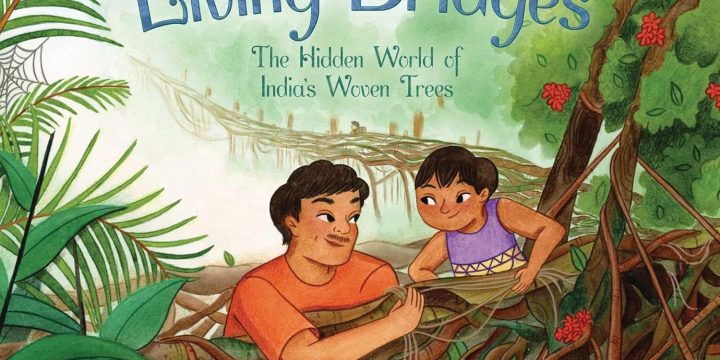
Picture Book Buds are a fun and easy way to incorporate literacy into nature study. Read a book (you can even read it outside!) and then enjoy the related activity and snack suggestions! Living Bridges: The Hidden World of India's Woven Trees Written by: Sandhya Acharya Illustrated by: Avani Dwivedi I was excited about Living Bridges: The Hidden World of India's Woven Trees the minute I heard it was coming out-- what a fun topic for a picture book! I didn't learn about the living bridges of India until well into adulthood, but I was immediately transfixed and I can only imagine how amazing knowledge of these bridges must feel for kids. The story walks through the process of making and tending the bridges, or jingkeieng jri, in broad strokes…
Read More
“Clear and Bright”

“Clear and Bright”

Craft Project, Folklore, Foraging, Learning, Picture Book Buds, Spring
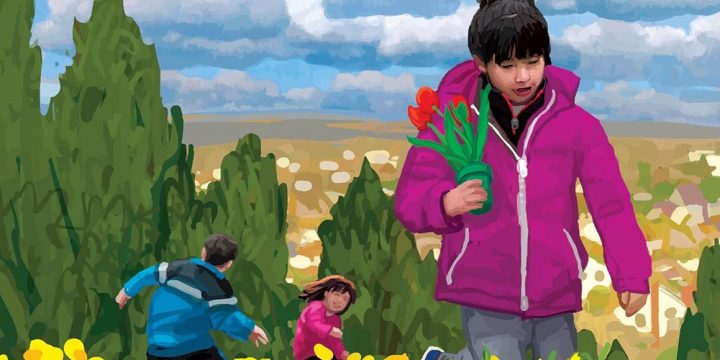
Picture Book Buds are a fun and easy way to incorporate literacy into nature study. Read a book (you can even read it outside!) and then enjoy the related activity and snack suggestions! Clear and Bright: A Ching Ming Festival Story Written by: Teresa Robeson Illustrated by: William Low Clear and Bright: A Ching Ming Festival Story is a lovely, lyrical story about a family celebrating the Ching Ming Festival. This is a spring festival right around the same time as spring equinox that has been on my radar for some time, but that I didn't previously know very much about. When I came across this picture book I jumped at the chance to learn more. If you have read much of my work than you may have noticed that…
Read More
“When We Gather (Ostadahlisiha): A Cherokee Tribal Feast”

“When We Gather (Ostadahlisiha): A Cherokee Tribal Feast”

Folklore, Foraging, Hike Ideas, Learning, Picture Book Hikes, Spring, Spring Equinox
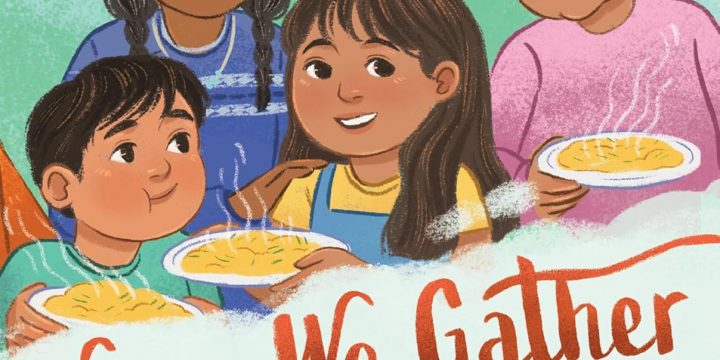
Picture Book Hikes are a fun and easy way to bring learning outside. Read a book (you can even read it outside!) and then enjoy the related hike, activity and snack suggestions! When We Gather (Ostadahlisiha): A Cherokee Tribal Feast  Written by: Andrea L. Rogers,  Illustrated by: Madelyn Goodnight  When We Gather (Ostadahlisiha): A Cherokee Tribal Feast  is about a familiy foraging in the early spring for wild onions and then joining a feast at their local community center. I was excited to come across it because I am always looking for seasonal celebrations from different cultures and this is one I had not come across before. I also love wild onions in the spring, they are one of the first (if not the very first) edible plants to start growing, months…
Read More
“What the Crow Saw Below”

“What the Crow Saw Below”

Book Buds, Craft Project, Learning, Picture Book Buds, Play, STEAM
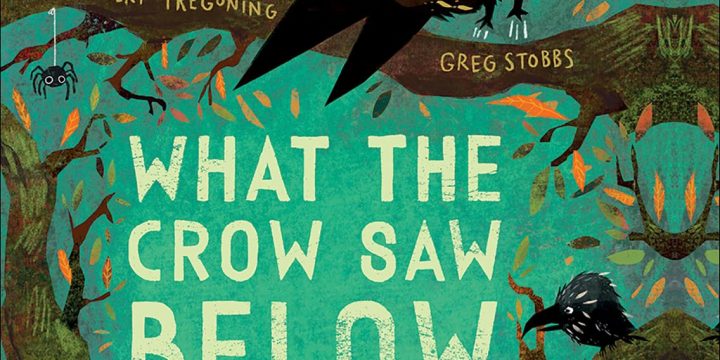
Picture Book Buds are a fun and easy way to incorporate literacy into nature study. Read a book (you can even read it outside!) and then enjoy the related activity and snack suggestions! What the Crow Saw Below Written by: Robert Tregoning,  Illustrated by: Greg Stobbs What the Crow Saw Below is a new book that I was able to read as an arc copy. I was excited to get my hands on it because I love crows and the illustrations are freaking awesome. For some reason there have been a whole slew of crow picture books lately and I haven't been terribly excited with any of them until now. (In fairness I haven't gotten to them all yet..) But, back to this book, honestly I would recommend it based…
Read More
What is Spring Equinox?

What is Spring Equinox?

Folklore, Learning, Spring, Spring Equinox
The Spring or Vernal Equinox is the midpoint between the Summer and Winter Solstices. Day and night are of equal length in nearly all parts of the world. The word equinox comes from the Latin words for “equal night”—aequus (equal) and nox (night). On the Spring Equinox the Earth’s tilt is at zero relative to the sun, meaning it is not tilting towards or away from the light, it is in balance. The Equinox is the astronomical first day of spring, traditionally starting the spring season. Sunlight increases, dawn is earlier, sunset is later and the earth begins again. This time of year has long been associated with spring and rebirth in cultures across the world. It was an important marker in the agricultural cycle, time to begin planting and…
Read More
“Over and Under the Snow”

“Over and Under the Snow”

Craft Project, Hike Ideas, Learning, Picture Book Buds, Picture Book Hikes, Play, Recipes, STEAM, Winter
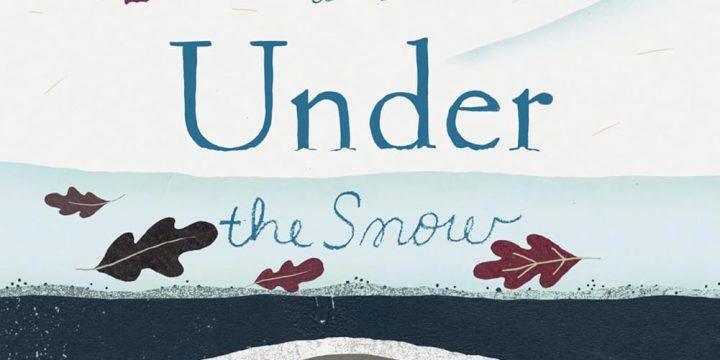
Picture Book Buds are a fun and easy way to incorporate literacy into nature study. Read a book (you can even read it outside!) and then enjoy the related activity and snack suggestions! Over and Under the Snow Written by: Kate Messner,  Illustrated by: Christopher Silas Neal Over and Under the Snow is a classic winter time picture book read. It manages to be both fun to read and packed with information about what various animals do to survive during the winter, making it great for mixed age groups. I always include it in my hibernation study recommendations, but where is really shines in my opinion is in it's description of the Subnivean Zone. The hibernators seem to get all the love this time of year, and all while the shrews, mice…
Read More
What is Winter Solstice?

What is Winter Solstice?

Folklore, Learning, Winter, Winter Solstice
The Winter Solstice is the day that the earth is tilted the furthest away from the sun and consequently has more hours of darkness and less hours of light then any other day of the year. Every day after the Winter Solstice there is gradually a little more light until the Summer Solstice. The sun is at its lowest point in the sky on the Winter Solstice and shadows become stretched out and longer than usual. Ancient people thought that the sun was dying and being reborn on this day. The Winter Solstice most often falls on December 21st and has long been a day of celebration. In fact, it was a whole season of celebration in ancient times. The time between Winter Solstice and the Twelfth Night was once…
Read More