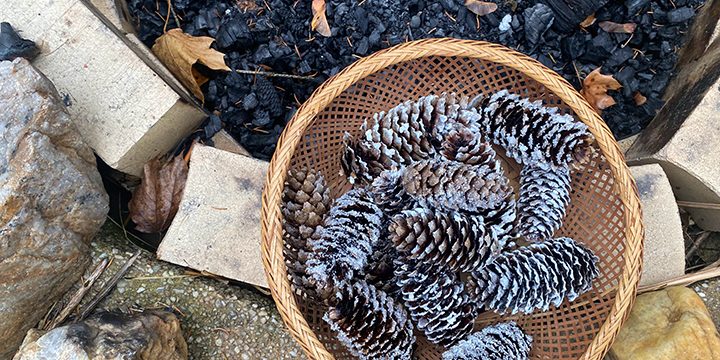
Aurora Borealis Pinecones

Aurora Borealis Pinecones

Campfire, Craft Project, Folklore, Nature Art, Winter, Winter Solstice
The Northern Lights or aurora borealis, is a natural phenomenon caused by energized particles from the sun hitting the Earth's upper atmosphere. The earth's magnetic field directs these particles towards the poles which is wy they are more visible there. The result of this atmospheric bombardment is beautiful colored lights dancing in the sky that have inspired human observers for a millenia. The famous Italian astronomer Galileo gave the lights their name in 1619, but the earliest known record of the phenomena is a 30,000 year old cave painting in France. Galileo named the light for the Greek goddesses of the of dawn, Aurora, and the north wind, Boreas. They feature in folktales and myths from around the world. The Inuit people believe they are spirits, while the Vikings attributed…
Read More
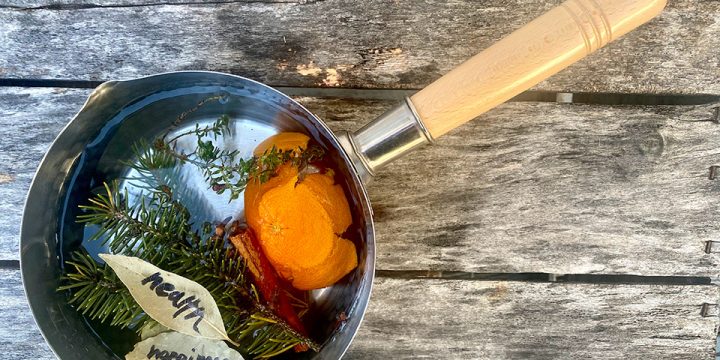
Solstice Simmer Pots & a Gift Idea

Solstice Simmer Pots & a Gift Idea

Craft Project, Folklore, Winter, Winter Solstice
One of the easiest things to do around the winter holidays is to make a simmer pot. A simmer pot is basically a homemade air freshener made by simmering fragrant pieces of fruits, herbs, and other spices in water. You throw some nice smelling things into a pot and let it just simmer on the stove all day. It makes the house smell amazing and cozy and like the holidays. There are three other important facets to this tradition beyond the lovely scent for me: 1) I use up discarded things like orange peels and fallen evergreen branches. It kills me when I see recipes that tell you to cut up 3 fresh oranges or apples. There is no reason. Eat the food. Lots of people don't have enough food and…
Read More
Pokeberry Anthotype

Pokeberry Anthotype

Autumn, Craft Project, Folklore, Foraging, Nature Art, Nature Art Materials, Samhain
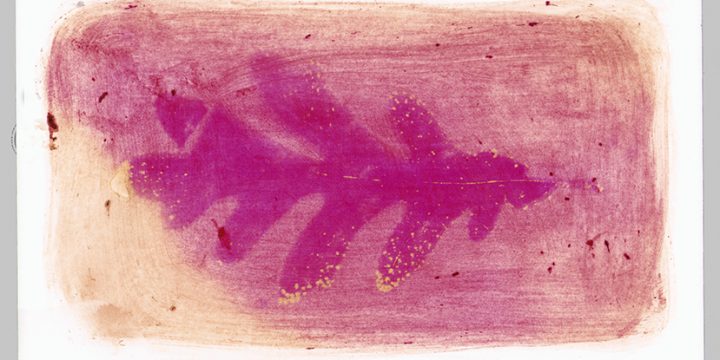
Pokeberry (Phytolacca americana L.) otherwise known as; pokeweed; poke, poke salit, pigeonberry; inkberry; redweed or red ink plant, is the plant that I am most drawn to at Samhain. I am not usually one to say that I am drawn to plants, but pokeberry always calls to me in the fall. It’s deep purple, almost black, berries ripen in September and October. All parts of the plant are poisonous, yet the berries appear lucious and inviting. It’s a North American plant and has no direct connection to the Celtic traditions of Samhain. (Although, I celebrate Samhain in a secular nature based way so I am not worried about that.) It was, however, traditionally used by the Iroquois for bewitchment. It’s dark and mysterious and the perfect metaphor for this season.…
Read More
Falling Leaves Intentions

Falling Leaves Intentions

Autumn, Falling Leaves Moon, Folklore, Play, Samhain
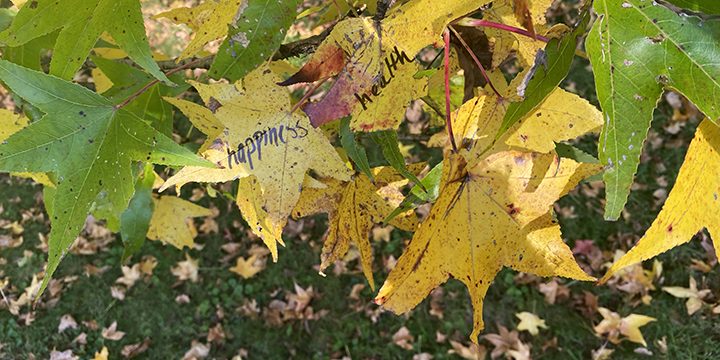
I love the idea of using falling leaves to transfer your intentions into the world-- they will fall and decompose and take your message to the soil and the roots. We wrote right on leaves still on the tree and check back every few days to see if they’ve fallen yet. I always struggled to connect with Samhain. Even as a kid I never liked spooky stories and scary decorations. As I’ve gotten older several important people in my life have passed away this time of year and I always seem to find myself feeling down in late October. The place where I finally did connect with ideas of death and rebirth was through composting as a seasonal metaphor. You collect all of the spent dead things and through their…
Read More
Turnip Lanterns

Turnip Lanterns

Autumn, Campfire, Craft Project, Folklore, Nature Art, Samhain
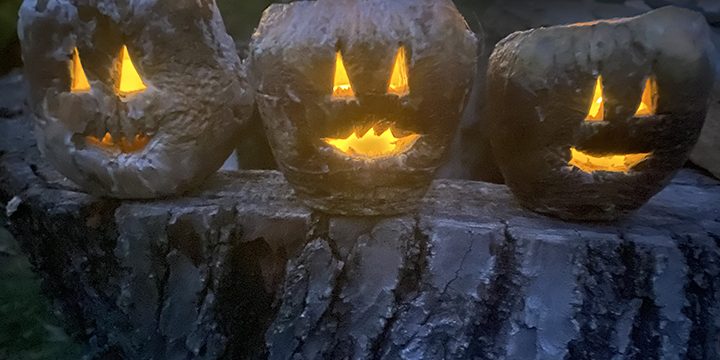
I have been meaning to make these forever--turnips actually are the original vegetable lantern. They gained popularity in the Middle Ages and continued to be made well into the 20th century. Pumpkins are actually relatively new to the scene even though a Halloween/ Samhain without them seems unthinkable now. The turnip lantern tradition began with the Celts, who believed that the veil between worlds was especially thin on this night halfway between the Autumn Equinox and the Winter Solstice. Because of this, people would light lanterns as extra insurance from wayward monsters and spirts. Metal lanterns were expensive at the time, so people in the British Isles began carving lanterns (and faces) from vegetables—particularly turnips, but in some cases potatoes, radishes and beets as well. They would place lit candles inside the cavities,…
Read More
Back to School Lemon Balm and Chamomile Micro Stuffie

Back to School Lemon Balm and Chamomile Micro Stuffie

Autumn, Back to School, Craft Project, Folklore, Play
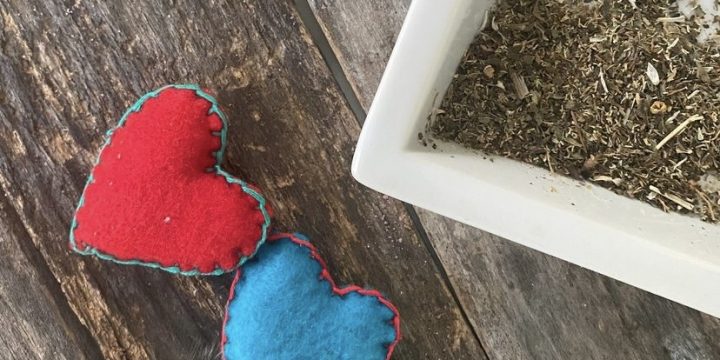
Back to School Lemon Balm and Chamomile Security Stuffie! Whether you are returning to traditional school or starting up homeschool again, this time of year always seems to be a bit fraught with anxiety. As I was researching lemon balm (melissa officinalis) one day, it’s abilities to calm and improve focus jumped out at me right away. What could be better for back to school? Lemon balm is a member of the mint family and is considered a calming herb. It was used as far back as the Middle Ages to reduce stress and anxiety, and improve cognitive function. Study after study has confirmed that smelling lemon balm has a powerful and positive impact on feelings of nervousness and anxiety. Chamomile is another long used herb to relax and de-stress.…
Read More
Autumn Equinox Corn Dolly

Autumn Equinox Corn Dolly

Autumn, Autumn Equinox, Craft Project, Folklore, Play
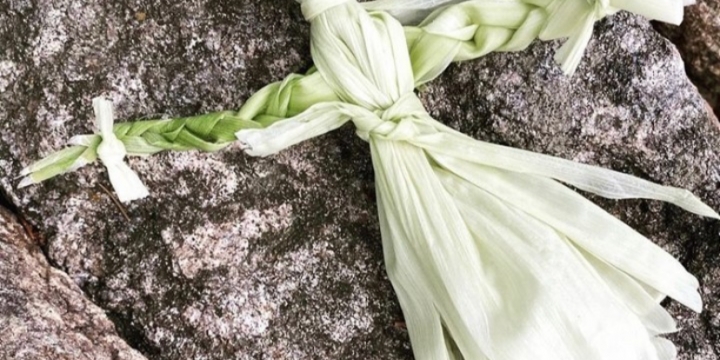
Some people make corn dollies for First harvest and some make them for Equinox and some make for neither just to celebrate fall. For whatever reason I associate them with Autumn Equinox and try to make a new one every year. She is supposed to be stored in the all year to ensure an abundant harvest. Then it goes in the fire on the next Equinox and her ashes are spread in the garden to come full circle. Oddly enough, the "corn" in corn dolly generally refers to wheat, corn was slang for grain in medieval Europe which is actually why we now call maize corn. When colonists came to the US they just called the local grain (maize) corn because that's what they were used. To confuse things further,…
Read More
Autumn Acorns

Autumn Acorns

Autumn, Autumn Equinox, Folklore, Nature Collection, Recipes
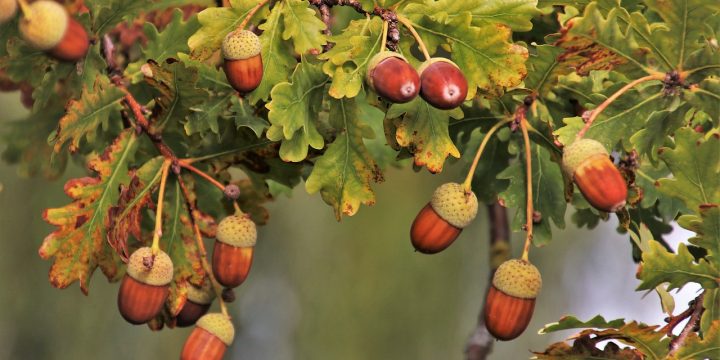
Acorns and oaks are steeped in folklore just about everywhere they grow. There is something old and wise about them. They were (and still are) a food source for Indigenous Americans and were eaten in in the past in Europe as well. They require some prep work, but I love their warm roasted flavor. A number of magical qualities and superstitions are attributed to the acorn. The symbolize good luck, abundance, protection and long life. My favorite bit of folklore is that the acorn symbolizes huge potential in small things and reminds us to be patient. There are 500 species of oak in the world and their acorns (which are their seeds!) all look a little different. I am personally partial to burr oaks for their lovely shaggy caps. Acorns…
Read More
Pine Needle Tea

Pine Needle Tea

Campfire, Folklore, Foraging, Recipes, Winter, Winter Solstice
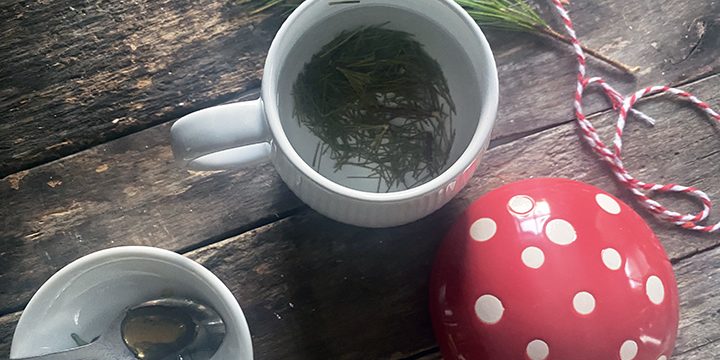
Pine needle tea is a fun and easy winter beverage hat is is oh so wintery! Its a fantastic source of nutrients, particularly vitamin C, which was used to supplement people's diets in the days before you could go to the store and buy a bag of oranges without a thought. Allegedly, Frenchman Jacques Cartier and his crew were cured of scurvy by an Iroquois (Haudenosaunee) tribe in 1543 and they wrote an account of it. All edible species of pine contain vitamin C-- purportedly have three to five times more than an orange, depending on what source you read. Vitamin C is an immune booster (and a cure for scurvy!) Pine needles also contain vitamin A which improves red blood cell production. Pine needle tea can also soothe sore…
Read More
Risgrøt: A Yule Tradition That Warms the Soul– Guest Blogger!

Risgrøt: A Yule Tradition That Warms the Soul– Guest Blogger!

Folklore, Recipes, Winter, Winter Solstice
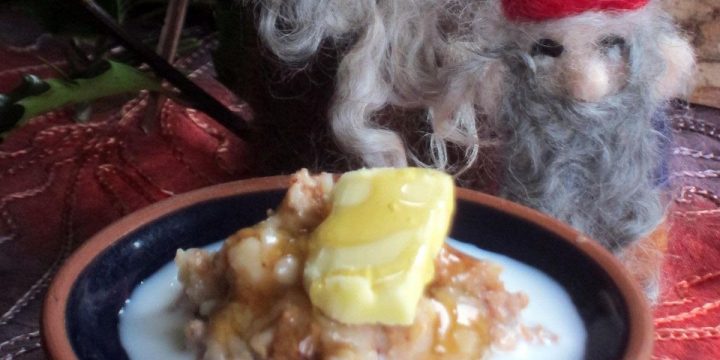
A huge thank you to Jenn Campus for today's guest post!! Check out her beautiful site Old Ways for Modern Days and her IG feed here. She is sharing her recipe for Risgrøt with us-- take it away Jenn! Ah, Risgrøt – creamy, comforting, and wonderfully traditional! This Norwegian rice porridge has become a staple in our family's Yule celebrations ever since my first snowy winter in Norway. Back then, as an exchange student, I had no idea this dish would burrow its way into my heart (and stomach), becoming a must-have every year when the days are shortest. Whether you're in for some ancestral vibes or simply craving something hearty with a hint of sweetness, this recipe will surely please. A Little History About Risgrøt Risgrøt is a dish with deep roots…
Read More